 Manufacturing Dry Solutions for a Moist World.



Choosing the right packaging protection is essential for maintaining product quality during storage and transportation…
- Admin
- Product Guide
- 6 minute read
Transportation is a critical stage in the product supply chain, but it also exposes goods to environmental conditions that can affect their quality and performance. Among the most common challenges faced during shipping and storage is humidity. Excess moisture can cause corrosion, mold growth, packaging deterioration, electronic failures, and product damage, resulting in financial losses and customer dissatisfaction.
Industries transporting electronics, pharmaceuticals, automotive components, food products, chemicals, and precision equipment often face significant risks due to fluctuating humidity levels. Even when products are packed securely, trapped moisture inside packaging or shipping containers can lead to condensation during transit, especially when shipments move through different climatic conditions.
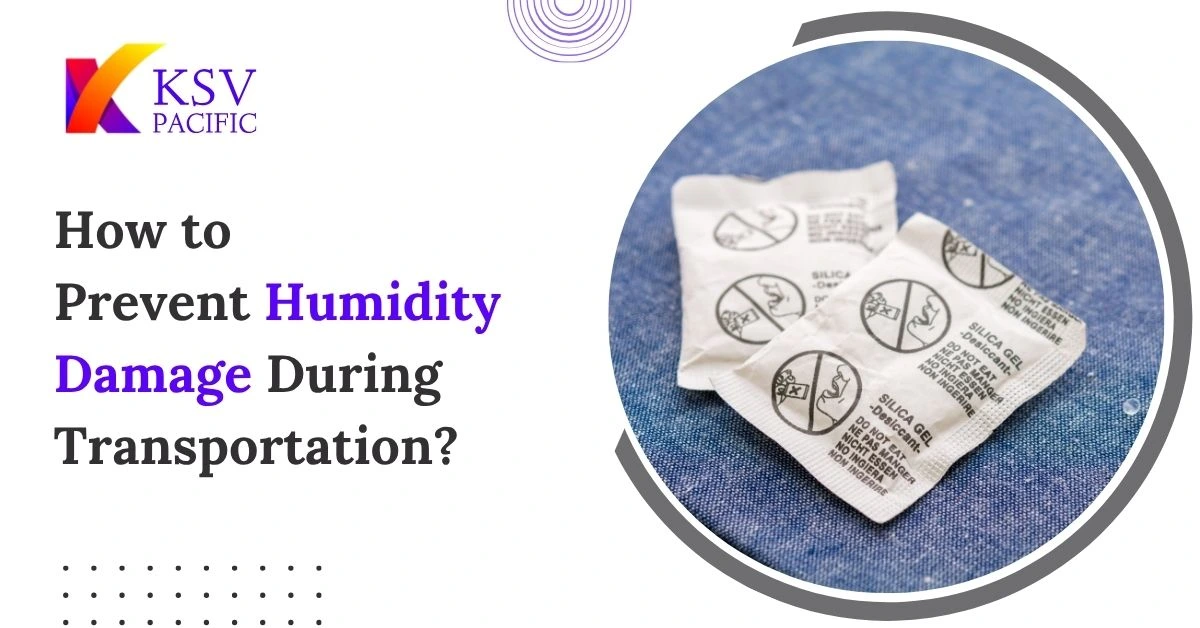
To reduce these risks, many businesses rely on Desiccant solutions that absorb excess moisture before it can damage products. By maintaining a controlled environment inside packaging, desiccants help preserve product quality, improve shelf life, and ensure goods reach their destination in optimal condition.
Understanding How Humidity Damages Products
Humidity refers to the amount of moisture present in the air. During transportation, temperature fluctuations often cause moisture to condense inside shipping containers, cartons, and sealed packaging.
This excess moisture can result in several problems, including:
- Corrosion of metal components
- Mold and mildew formation
- Packaging deterioration
- Electronic component failures
- Product discoloration
- Reduced shelf life
- Material degradation
These issues not only increase replacement costs but also affect customer satisfaction and brand reputation.
Using Desiccant products helps minimize these risks by absorbing moisture before it reaches sensitive products.
Why Moisture Control Is Essential During Transportation?
Every shipment experiences changing environmental conditions throughout its journey. Variations in temperature and humidity create ideal conditions for condensation, particularly during ocean freight, long-distance transportation, and warehouse storage. Reliable moisture protection through Desiccant solutions helps maintain controlled humidity levels, reduce condensation, and protect products from moisture-related damage during transit.
Effective moisture control helps manufacturers and suppliers:
- Protect product quality
- Prevent corrosion
- Reduce spoilage
- Maintain packaging integrity
- Minimize product returns
- Improve customer satisfaction
By implementing appropriate moisture protection measures, businesses can significantly reduce transportation-related losses.
How Desiccant Prevents Humidity Damage?
Modern packaging solutions increasingly incorporate Desiccant materials to control moisture within sealed packages and shipping containers.
Desiccants work by absorbing water vapor from the surrounding air, reducing the relative humidity inside the package before condensation can occur.
Key benefits include:
- Moisture absorption
- Condensation prevention
- Corrosion protection
- Mold prevention
- Improved product preservation
- Extended shelf life
Selecting the correct desiccant type and quantity depends on factors such as product sensitivity, packaging size, shipping duration, and environmental conditions.
Common Humidity Problems and Desiccant Solutions
| Humidity Challenge | How Desiccant Helps |
| Metal corrosion | Absorbs excess moisture before corrosion develops |
| Mold growth | Maintains low humidity levels inside packaging |
| Electronic damage | Protects sensitive electronic components from moisture |
| Packaging deterioration | Preserves packaging integrity during transit |
| Product spoilage | Extends product quality and shelf life |
| Condensation inside containers | Reduces moisture buildup during transportation |
Proper moisture control helps ensure products remain protected throughout the shipping process.
Industries That Benefit from Desiccant Protection
Many industries depend on moisture control to protect valuable products during transportation.
Some of the major industries include:
- Electronics manufacturing
- Pharmaceutical industry
- Food packaging
- Automotive components
- Industrial machinery
- Chemicals
- Medical devices
- Aerospace equipment
These industries often transport products over long distances where humidity exposure is unavoidable.
Using Desiccant solutions provides an additional layer of protection that helps maintain product integrity from dispatch to delivery.
Looking for reliable desiccant solutions to protect your products during transportation? Contact us today for expert guidance and customized moisture protection solutions.
Best Practices for Preventing Humidity Damage
Preventing moisture damage requires more than simply adding moisture absorbers to packaging. A comprehensive packaging strategy improves product protection throughout transportation.
Best practices include:
- Selecting appropriate desiccants
- Using moisture-resistant packaging materials
- Properly sealing packages
- Reducing empty air space inside packaging
- Monitoring storage conditions
- Protecting products before shipment
- Inspecting packaging before dispatch
Combining these practices with effective Desiccant solutions significantly reduces transportation-related moisture damage.
Choosing the Right Desiccant for Transportation
Different products require different moisture protection strategies.
Factors to consider include:
- Product sensitivity
- Shipping duration
- Transportation method
- Climatic conditions
- Package size
- Storage environment
Choosing the appropriate Desiccant ensures effective moisture absorption while maintaining product safety throughout transportation and storage.
Proper desiccant selection improves protection without affecting product quality or packaging performance.
Long-Term Benefits of Moisture Protection
Investing in effective moisture control provides long-term operational and financial benefits.
Manufacturers and exporters often experience:
- Lower product rejection rates
- Reduced warranty claims
- Better product quality
- Improved customer confidence
- Lower transportation losses
- Greater supply chain reliability
By preventing humidity-related damage before it occurs, businesses can improve operational efficiency and reduce unnecessary costs.
Reliable Desiccant solutions remain an essential part of modern packaging and transportation strategies for moisture-sensitive products.
Frequently Asked Questions
A desiccant is a moisture-absorbing material used to reduce humidity inside packaging and protect products from moisture damage.
High humidity can cause corrosion, mold growth, packaging damage, and product deterioration during shipping and storage.
Industries including electronics, pharmaceuticals, food, automotive, chemicals, medical devices, and industrial manufacturing commonly use desiccants.
Desiccants attract and retain water vapor from the surrounding air, lowering humidity levels inside sealed packaging.
Yes. Desiccants help prevent moisture-related damage such as corrosion, short circuits, and reduced performance in electronic components.
Conclusion
Humidity remains one of the leading causes of product damage during transportation, affecting everything from packaging quality to product performance. Implementing effective moisture control measures is essential for protecting valuable goods throughout the supply chain.
By using Desiccant solutions alongside proper packaging practices, businesses can reduce moisture-related risks, preserve product quality, and improve transportation reliability. Whether shipping electronics, pharmaceuticals, industrial equipment, or consumer goods, effective humidity control helps ensure products arrive safely and in optimal condition.
Desiccant for Moisture AbsorptionDesiccant for Moisture ControlDesiccant HumidityDesiccant Packets for Electronics
Related Posts
Long-term storage requires reliable moisture control to maintain product quality and reduce humidity-related damage. Whether…
Selecting the right moisture-control solution is important for maintaining product quality during storage and transportation…
