 Manufacturing Dry Solutions for a Moist World.



Shipping containers face constant exposure to changing temperatures and humidity during transportation and storage. These…
- Admin
- Product Ideas
- 6 minute read
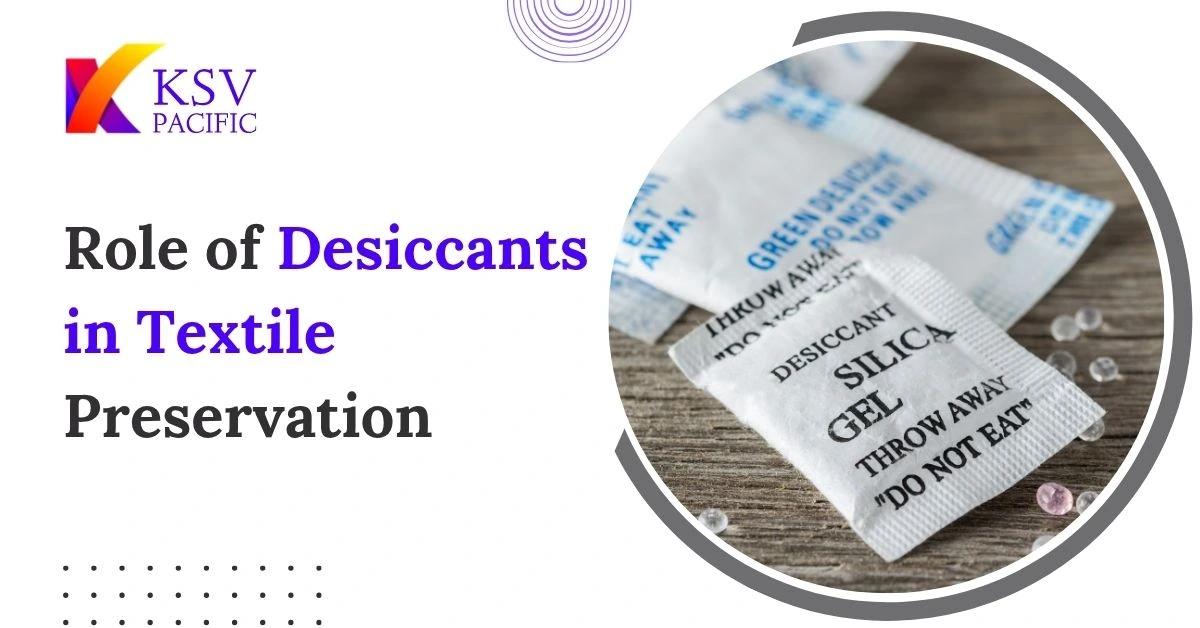
Textile products require controlled storage conditions to maintain fabric quality, appearance, and long-term durability. Moisture exposure during storage and transportation can damage textiles, weaken fibres, and create mold or mildew growth that affects product value. This is why Desiccants Solutions play an important role in textile preservation across storage and shipping environments.
Textiles such as garments, fabrics, upholstery materials, and finished textile goods often remain in warehouses, storage rooms, and shipping containers for extended periods. During these stages, humidity may affect fabric freshness and create long-term preservation challenges. Reliable moisture-control methods help maintain dry conditions and support safer textile storage.
Why Moisture Control Matters in Textile Preservation
Humidity is one of the major causes of textile deterioration during storage and transportation. Excess moisture may damage fabric texture, weaken fibres, and create Odor or Mold-related problems. Proper use of Desiccants Solutions helps maintain controlled humidity conditions and support long-term textile safety.
Reliable moisture management helps businesses preserve fabric quality and reduce storage-related product damage.
Main Benefits:
- Reduced Moisture Damage
- Better Fabric Protection
- Lower Mold Risks
- Improved Storage Stability
- Long-Term Textile Safety
Importance of Desiccants in Textile Storage
Modern textile storage requires stable humidity control to maintain product appearance and prevent environmental damage. Proper use of Desiccants Solutions helps create dry storage environments that support safer textile preservation.
Moisture trapped inside storage areas or packaging may gradually affect textile quality if humidity remains uncontrolled. Stable humidity conditions improve long-term fabric reliability and reduce preservation risks.
Storage Advantages:
- Controlled Humidity Levels
- Reduced Fabric Deterioration
- Improved Product Stability
- Better Storage Conditions
- Reliable Preservation Support
How Clay Desiccants Support Textile Preservation
Natural moisture absorbers are widely used for fabric protection because of their dependable humidity-control performance. Proper use of Clay Desiccants helps maintain dry storage environments and improve textile preservation.
Textile materials stored in humid environments may develop moisture-related deterioration that affects quality and appearance. Reliable humidity control supports safer storage and long-term fabric protection.
Product Benefits:
- Natural Moisture Absorption
- Reduced Humidity Exposure
- Improved Storage Stability
- Better Fabric Protection
- Reliable Moisture Control
How Double Layer Desiccant Improves Textile Safety
Textile products stored or transported through changing environmental conditions often require stronger humidity protection. Proper use of Double Layer Desiccant helps maintain stable moisture-control conditions and improve packaging durability.
The double-layer structure supports stronger moisture absorption and improves preservation performance during long-term storage and transportation.
Protection Features:
- High Moisture Absorption
- Improved Packaging Durability
- Better Humidity Control
- Reduced Fabric Damage
- Long-Term Storage Support
Looking for reliable Desiccants to protect textiles from moisture, mold, and storage damage? Contact us today for trusted humidity-control protection.
How Desiccant Hanging Bags Protect Stored Textiles
Storage spaces containing garments and textile products may experience humidity buildup that affects fabric freshness and preservation quality. Proper use of Desiccant Hanging Bags helps maintain dry conditions and support textile protection inside storage environments.
Their hanging design supports better air circulation and improves moisture absorption across enclosed spaces where fabrics are stored.
Storage Features:
- Convenient Hanging Design
- Improved Air Circulation
- Reduced Moisture Exposure
- Better Fabric Freshness
- Reliable Storage Protection
How Cargo Container Desiccant Bags Support Textile Shipping
Textile products transported through cargo environments may face humidity fluctuations and condensation that increase moisture damage risks. Proper use of Cargo Container Desiccant Bags helps maintain dry transportation conditions and improve shipment protection.
Reliable container humidity control helps preserve textile quality during long-distance shipping and storage.
Transportation Benefits:
- Container Humidity Reduction
- Reduced Condensation Risks
- Better Shipment Stability
- Improved Textile Protection
- Safer Transportation Conditions
How Container Desiccant Strip Helps Textile Transportation
Shipping containers often experience changing environmental conditions that create moisture buildup during transportation. Proper use of Container Desiccant Strip helps reduce humidity and support safer textile transportation environments.
Reliable moisture control inside shipping containers helps businesses reduce textile damage and maintain fabric quality throughout delivery.
Shipping Features:
- Reduced Container Moisture
- Improved Transportation Stability
- Lower Humidity Risks
- Better Textile Preservation
- Long-Term Shipping Protection
Common Textile Problems Reduced by Desiccants
Textile products stored or transported in humid conditions often face preservation challenges that affect fabric quality and product value. Reliable Desiccants Solutions help reduce moisture-related problems and improve long-term textile safety.
Humidity control supports safer storage conditions and helps maintain textile freshness during warehousing and shipping.
Preservation Benefits:
- Reduced Mold Growth
- Lower Odor Risks
- Improved Fabric Freshness
- Reduced Fiber Damage
- Better Storage Reliability
Why Businesses Use Desiccants for Textile Protection
Textile industries require reliable humidity-control systems that support fabric preservation and reduce moisture-related product losses. Proper use of Desiccants Solutions helps businesses improve storage safety and transportation reliability.
Stable humidity management supports better textile preservation and helps maintain product quality during long-term storage and shipping operations.
Business Advantages:
- Reduced Product Losses
- Improved Storage Reliability
- Better Textile Stability
- Lower Moisture Risks
- Long-Term Protection
Frequently Asked Questions
Desiccants help control humidity and maintain dry storage conditions that protect textiles from moisture damage.
Moisture may cause Mold growth, Odor, fabric weakening, and long-term textile deterioration.
Clay Desiccants help absorb humidity and support stable moisture-control conditions.
Double Layer Desiccant provides stronger moisture absorption and improves preservation protection.
Desiccant Hanging Bags help maintain dry storage environments for garments and stored fabrics.
Conclusion
Moisture exposure can significantly affect textile products during storage and transportation by increasing Mold growth, fabric deterioration, and humidity-related damage. Proper use of Desiccants Solutions helps maintain dry environments, improve textile preservation, and support long-term storage safety for fabrics and garments.
Solutions such as Clay Desiccants, Double Layer Desiccant, Desiccant Hanging Bags, Cargo Container Desiccant Bags, and Container Desiccant Strip all play an important role in maintaining controlled humidity conditions for textile preservation. Reliable moisture control helps improve fabric protection, reduce storage losses, and support safer textile transportation and warehousing.
Related Posts
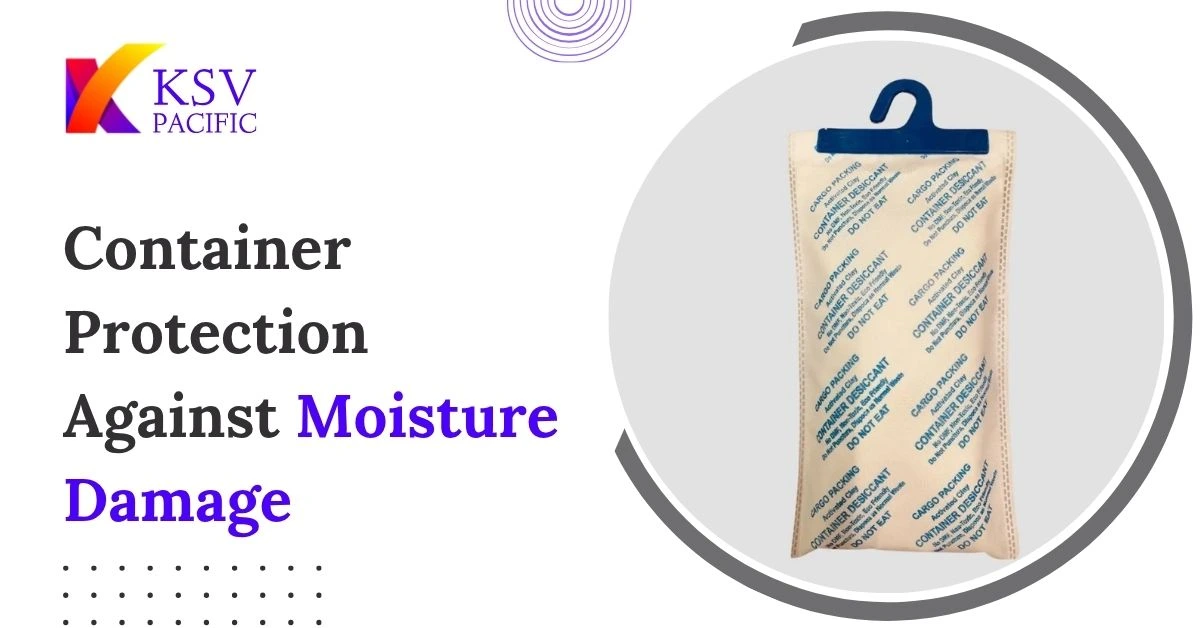
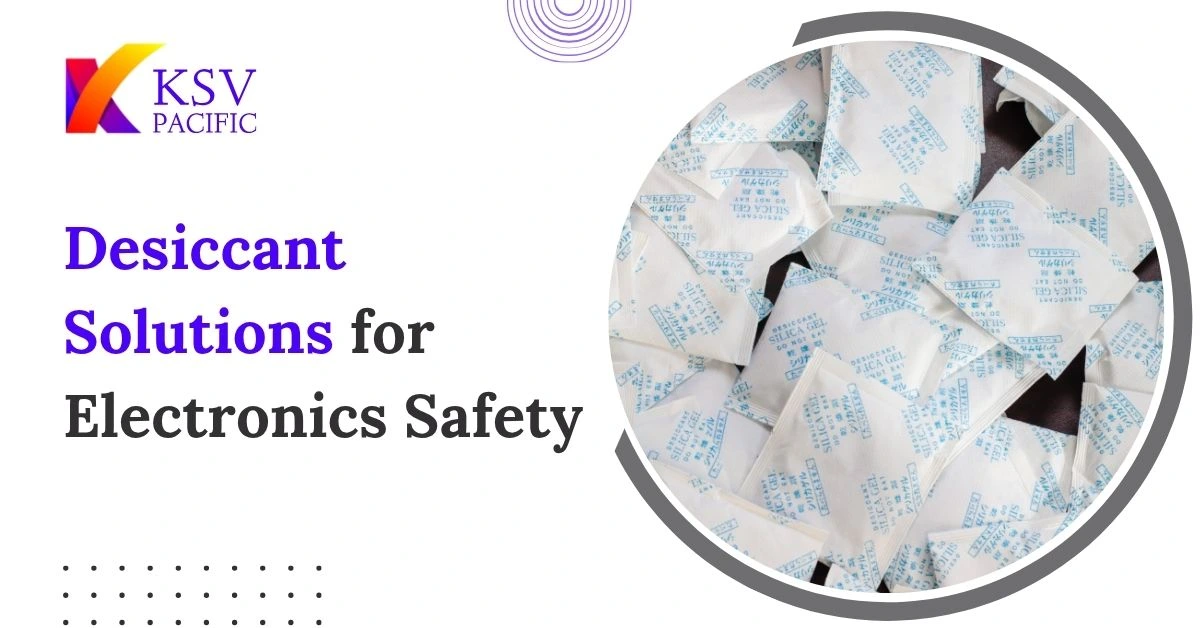
Electronic products are highly sensitive to moisture exposure during storage, transportation, and packaging. Humidity buildup…
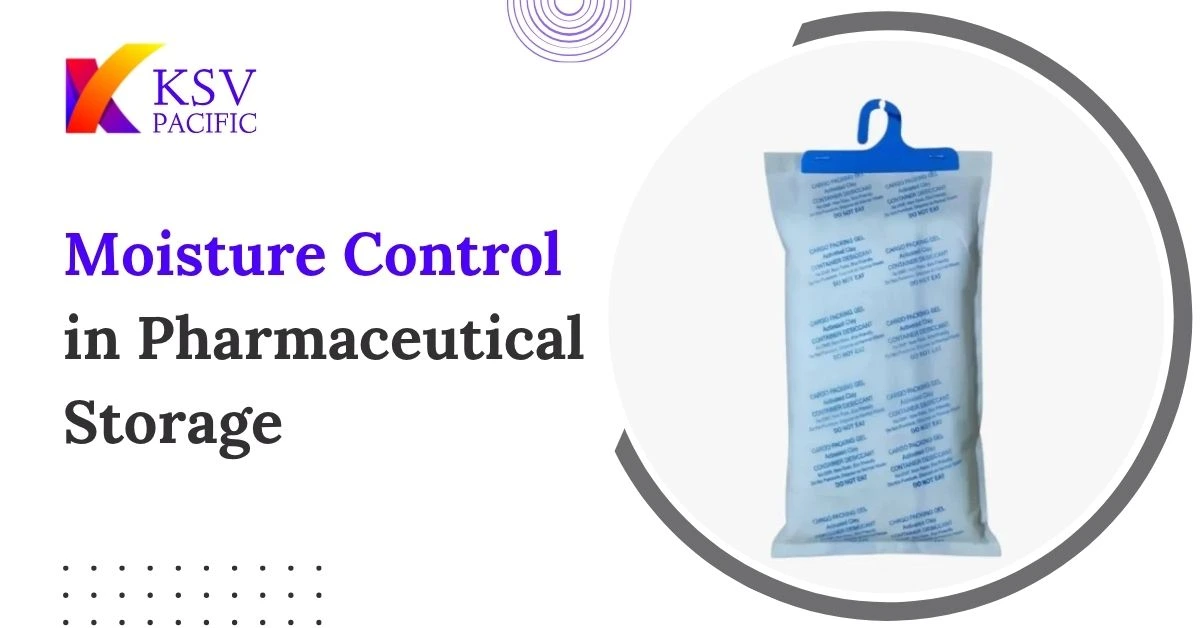
Pharmaceutical products require controlled storage conditions to maintain their effectiveness, safety, and shelf life. Excess…
